Inheriting a house comes with paperwork nobody warns you about, usually in the middle of grief. The good news: Missouri gives families more shortcuts than most people realize, and none of the paperwork stops you from getting a real number for the house while it works itself out.
This guide covers the common paths for a Kansas City area inheritance. Every estate is different, so treat this as a map, not legal advice. A probate attorney can confirm which path is yours, and the consultation is usually cheap compared to guessing wrong.
Does the House Have to Go Through Probate?
Not always. If the deed named a beneficiary through a transfer-on-death deed, the house passes outside probate entirely: record the death certificate and an affidavit, and the named person owns it. Joint tenancy with right of survivorship works the same way for a surviving co-owner.
If the house was only in the deceased person’s name and there is no transfer-on-death deed, some form of probate is usually required before anyone can sell. Which form depends on the size of the estate and how long ago the person passed.
The Probate Timeline, Start to Finish
- File the petition.Someone (usually the person named in the will) asks the probate court to open the estate and appoint a personal representative.
- Letters are issued.The court issues letters testamentary or letters of administration. This document is what gives one person legal authority over the house.
- Creditors get notice.Missouri runs a six month claim window from first publication. Many estates wait it out before distributing money, though a sale can often happen inside it.
- Inventory and appraisal.The representative lists what the estate owns, including the house and a value for it.
- The sale.With independent administration, the representative can usually sell without a separate court order. Supervised administration adds a court approval step.
- Distribution and closing the estate.Sale proceeds pay debts first, then heirs, and the estate closes.
Plan on months, not weeks: simple independent administrations commonly run six months to a year. If the person passed more than a year ago and no estate was ever opened, ask an attorney about a determination of heirship, which is often the cheapest way to clear title on an old inheritance.
Who Actually Signs the Sale
One of the most common closing-day surprises: the person who has been mowing the lawn and paying the taxes is not automatically the person who can sign. The personal representative signs while the estate is open. After heirship is determined, every heir with an interest signs, including out-of-state siblings and, in some cases, their spouses.
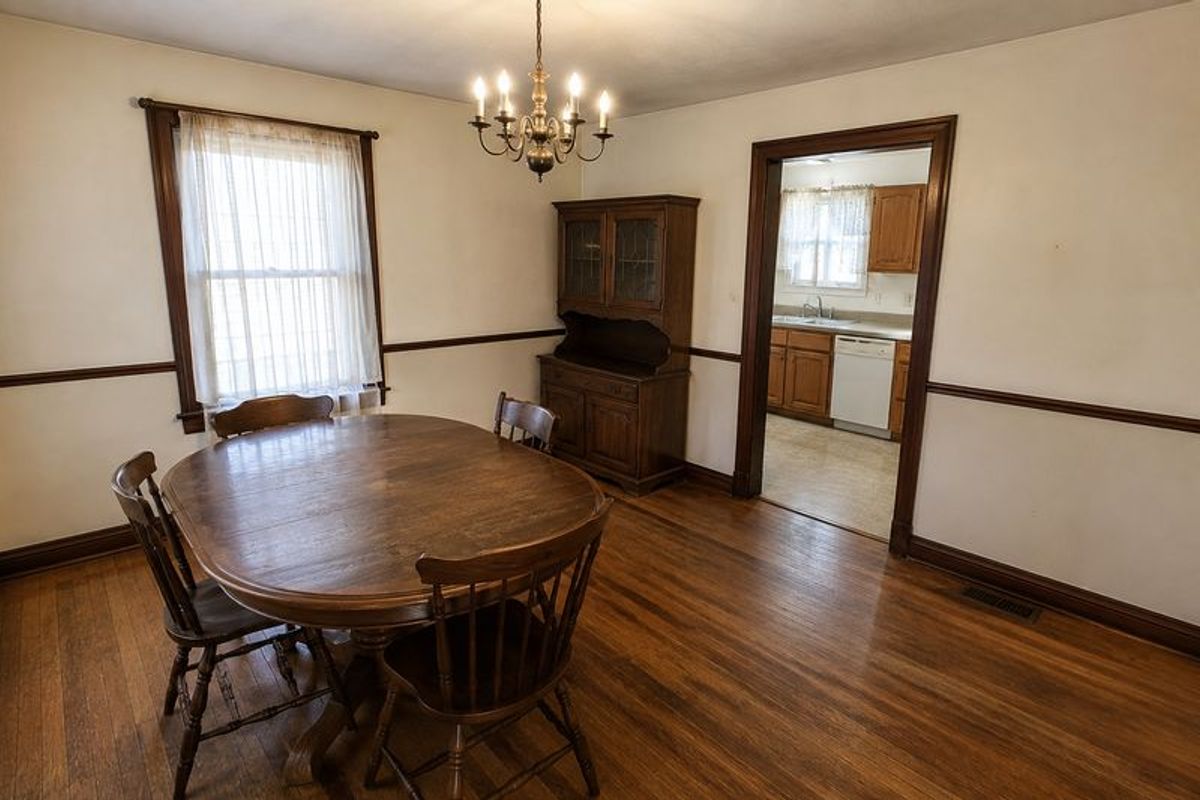
Estate furniture, dishes, closets: all of it can stay. Cleanout is our job, not yours.
Selling While Probate Is Still Open
You do not have to wait for the estate to close to line up a buyer. A cash sale can be negotiated early and closed as soon as the representative has authority, which keeps taxes, insurance, and winter pipe risk from eating the estate while everyone waits.
When the family is ready, we make a written offer on the house as it stands, no cleanout and no repairs, and we work on the court’s timeline instead of rushing yours. Get a number to share with the other heirs through our cash offer page.

We have bought Kansas City houses for cash since 2015, in every condition and at every stage of every timeline. Fair offers, plain answers, and we will tell you if selling to us is the wrong move.