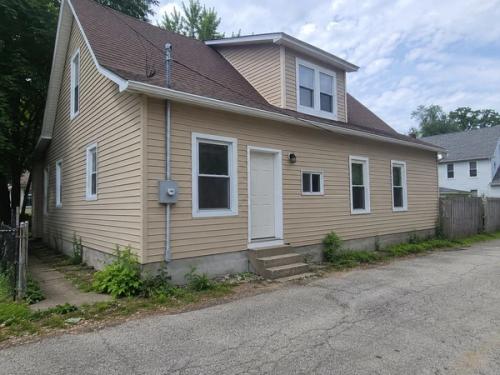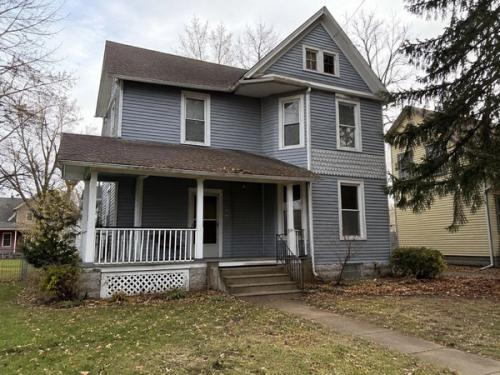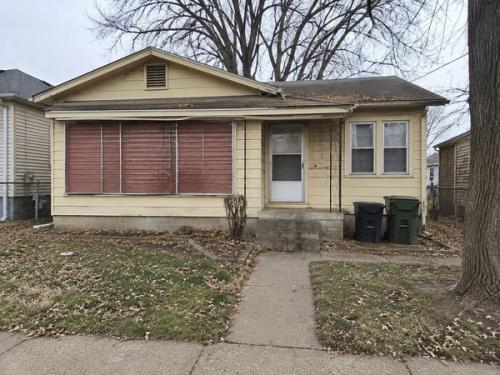
An empty house feels like a paused problem. It is not. It is a running meter with no one inside to notice what breaks, and the costs are easy to underestimate because they arrive on five different bills instead of one.
The Bills That Keep Coming
- Property taxes. Jackson County does not care that the house is empty. On a typical metro house this alone runs a few hundred dollars a month, paid or accruing.
- Insurance, if you can keep it. Most homeowner policies restrict or void coverage once a house sits vacant for 30 to 60 days. A vacant-property policy costs meaningfully more, often half again the premium or higher.
- Utilities you cannot shut off. Heat has to stay on in winter or the pipes freeze; electric stays on for sump pumps and security. Minimum service still bills every month.
- Yard and upkeep. Grass over the limit draws code citations in most metro cities, and paying someone to mow, rake, and check the house adds up.
The Risks That Grow With Every Month
Cost is only half the meter. Vacant houses get noticed: by weather, and by people. A burst supply line can run for days before anyone knows. Copper and appliances walk away. Some metro cities also require vacant-property registration, with fees and inspections once a house is flagged.
Insurance is the quiet one. If coverage lapsed when the house went vacant and something happens, the loss is yours entirely. Check your policy’s vacancy clause today; it is the most expensive paragraph most owners have never read.
The Math of Waiting
Add taxes, a vacant-property policy, minimum utilities, and upkeep, and a paid-off metro house commonly burns four figures a season just standing still, before anything breaks. With a mortgage on top, the meter roughly doubles.
We buy vacant houses in whatever state the last chapter left them: furniture, deferred repairs, and all. A written cash offer usually lands within 24 hours, and closing can happen in a couple of weeks, which is often less than the house costs to hold through one more season. Start at our cash offer page.

We have bought Kansas City houses for cash since 2015, in every condition and at every stage of every timeline. Fair offers, plain answers, and we will tell you if selling to us is the wrong move.